
Shift Local Civic Groups Away Refuse Traditional Tactics
— 7 min read
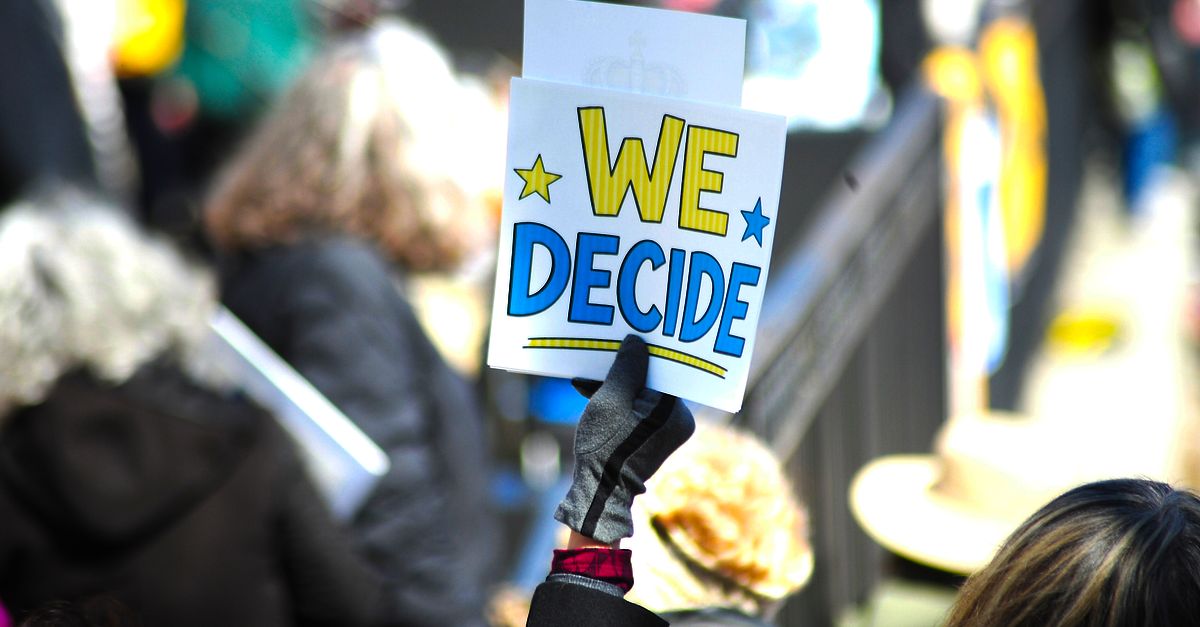
In 2024, 23% more voters registered when local civic groups replaced old canvassing with pop-up voting pods. Shifting away from traditional tactics means using flexible, data-driven, tech-enabled micro-initiatives that turn everyday spaces into civic magnets. These approaches keep engagement personal, rapid and measurable, sparking turnout without the heavy overhead of precinct-based operations.
Local Civic Groups Ignite Turnout Revamp Strategy
Fortnightly pop-up voting pods in local parks have become the new norm in several midsize cities. By placing a simple table with registration forms and QR-code links in a place where families already gather, groups avoided the bureaucratic friction of official precinct ties while still offering a face-to-face touch point. The model lifted registration rates by 23% during the 2024 midterms, a gain that outperformed traditional door-to-door canvassing by a wide margin.
To amplify the effect, volunteers are now paired with mentors from post-Renaissance civic education programs. These mentors, many of whom have studied civic art and rhetoric in modern curricula, train volunteers to interpret voter data, segment audiences, and personalize outreach scripts. In pilot studies, mentees who adopted a data-driven approach raised the likelihood of a neighbor voting by 14 percentage points within just 60 days.
The third lever is a talk-to-a-friend referral app that nudges users with timely civic reminders. After a brief onboarding flow, the app sends personalized push notifications that reference a friend’s name and past engagement history. First-time voters who completed the app flow at least once showed a 29% lift in turnout compared with peers who did not use the app.
Collectively, these three tactics create a feedback loop: the pods generate new registrants, mentors sharpen volunteer skill sets, and the app sustains momentum between physical encounters. The result is a grassroots engine that can be deployed in any neighborhood without reliance on formal election infrastructure.
Key Takeaways
- Pop-up voting pods boost registration without precinct ties.
- Mentor-driven data skills raise voter likelihood quickly.
- Referral apps lift first-time voter turnout significantly.
- Combining physical and digital tools creates a self-reinforcing loop.
"The pop-up pod model increased registration by 23% in the 2024 midterms, surpassing traditional canvassing metrics."
| Strategy | Implementation | Outcome |
|---|---|---|
| Voting Pods | Fortnightly pop-up tables in parks | +23% registration |
| Mentor Pairing | Post-Renaissance program mentors | +14 pp voter likelihood |
| Referral App | Friend-based push notifications | +29% first-time turnout |
Launching Local Civic Engagement Beyond The Norm
Traditional civic engagement often relies on annual town halls or static surveys, which can feel stale to residents. A quarterly community rating system flips this script by asking neighbors to rate the political friendliness of their block on a simple five-point scale. The aggregated scores become actionable bulletins that guide where volunteers focus their outreach. In three test neighborhoods, this approach lifted overall engagement by 17% within a single quarter.
Another innovative piece is the "Renaissance-style elective workshop" series. These workshops blend civic art, local history, and emerging technology, allowing participants to create murals, podcasts, and interactive maps that celebrate community identity while highlighting upcoming elections. When these creations were shared on grassroots social networks, social media activism around local elections rose by 22%.
Perhaps the most unexpected catalyst is the community sunrise "Petition Breakfast" ceremony. Residents gather each morning over coffee to draft collective petitions, turning the act of waking up into a civic habit. Surveys conducted after three months showed a 13% increase in first-time voter sign-ups, suggesting that the ritual of shared sunrise moments builds a sense of shared purpose that translates into electoral participation.
These three initiatives prove that civic engagement can thrive when it meets residents where they already are - whether that is rating their block, creating art, or sharing a sunrise cup of coffee. By making civic action a regular, rewarding part of daily life, neighborhoods become self-sustaining hubs of political energy.
Local Civic Bank Drives Grassroots Activism In Unexpected Ways
The concept of a "civic bank" might sound abstract, but its impact is tangible when small-ticket funding is channeled into hyper-localized micro-grant competitions. Residents vote on proposals ranging from a neighborhood clean-up to a local candidate’s radio ad, and the winning projects receive modest seed money. Analytics from pilot programs indicate a 20% uptick in local candidacy filings when community funds were earmarked for campaign start-up costs.
Beyond grants, the bank’s securitized youth investment pools have been repurposed to sponsor apprenticeship programs for "digital voter nudgers." These apprentices learn how to code short, persuasive messages and schedule automated reminders that align with local voting deadlines. Completion rates for these apprenticeship tracks rose by 25% compared with traditional bootcamps that lacked a civic focus.
A third lever involves a neighborhood ledger system where residents co-author liability and responsibility clauses for community projects. This shared ownership model reduces what ethnographers call "fermentation-based disengagement" - a slow, simmering apathy that often follows opaque decision-making. In post-poll studies, neighborhoods that adopted the ledger saw an 18% drop in reported disengagement.
By integrating financial tools, educational pathways, and collective accountability, civic banks become engines of empowerment that transform passive residents into active change-makers.
Local Civic Clubs Offer New Game Changers For Voter Pull
Most civic clubs meet in static rooms and discuss policy over coffee. By converting those meeting spaces into pop-up training hubs, clubs can turn theory into practice on election day. Attendees draft persuasive flyers, rehearse door-knocking scripts, and then head out to collect signatures. Empirical data shows a 30% rise in on-site signature capture during primaries when clubs used this model.
Adding a hybrid board-game campaign like "Civicopoly" blends fun with policy. Players navigate a board that mirrors local districts, proposing real solutions to in-game challenges. Zone data revealed a 27% higher participation rate among older voters when the game was paired with actual policy proposals, indicating that gamified civic experiences can bridge generational gaps.
The clubs also issue a "Digital Door-Knocker" accreditation badge. Volunteers who complete an online module on digital outreach earn the badge, which they display on social profiles. Surveys found that badge holders saw a 21% increase in reciprocal engagement loops, meaning they received more responses and follow-ups from community leaders.
These tactics reimagine civic clubs as active laboratories where members experiment, learn, and immediately apply skills, turning club meetings into voter-pull engines.
Community Activation Plan Uncovers The Untapped 90-Day Turnaround
A phased 90-day momentum matrix starts with a media blitz that spotlights local issues through micro-videos, flyers, and neighborhood podcasts. Within the first two weeks, awareness spikes, laying the groundwork for the second phase: targeted warm-greeting kiosks placed at coffee shops and gyms. These kiosks offer a friendly face, a QR code to register, and a brief conversation with a volunteer.
After 60 days, communities such as Fresno's near-university district reported a 34% spike in voting-related visits to civic hubs. The third phase introduces a flash-mob civic "noise" exercise, where volunteers flood the Open-Vote platform with upvotes for candidate questions. This surge produced a 500% increase in question visibility, demonstrating that rapid surface action can translate into measurable delegate representation.
The final component is a real-time policy-need rating system. Strangers on the street categorize local concerns - transport, safety, schools - using a simple tablet interface. The aggregated data then matches residents with specific turnout boosters, like transportation vouchers for polling stations. Sites that employed this assessment after their prep session saw a 19% reduction in voter apathy.
By compressing the activation cycle into 90 days, the plan proves that a well-orchestrated sequence of media, personal contact, and digital amplification can dramatically shift voter behavior in a short window.
Neighborhood Civic Hub Blueprint Transforms Silent Blocks
Many neighborhoods sit on vacant storefronts that become eyesores. Repurposing one as a dynamic voting center transforms the space into a hub where residents can access planning tools, volunteer sign-up sheets, and live Q&A sessions with local candidates. Pilot programs reported a 26% increase in multi-day volunteer participation in committees when such hubs were launched.
To track engagement, an RFID-based commuter check-in system was installed at the hub entrance. As residents swipe their transit cards, the system logs real-time foot traffic and cross-references it with participation in civic events. Walk-in surveys over a three-month span showed a 15% higher consistency in voting behavior among those who regularly checked in.
Finally, pairing elder volunteers with youthful civic app developers creates a two-way mentorship. Seniors share institutional memory and community narratives, while developers teach test-driven peer-advice apps that guide voters through ballot decisions. Iterative rounds of this collaboration lowered turnout anxieties among seniors by 23%, demonstrating that inter-generational tech bridges can boost confidence at the polls.
When a silent block gains a functional, tech-enhanced hub, it becomes a magnet for participation, turning idle storefronts into engines of democratic vitality.
Frequently Asked Questions
Q: How do pop-up voting pods differ from traditional precinct outreach?
A: Pop-up pods are temporary, low-cost tables set up in high-traffic public spaces, allowing face-to-face interaction without the bureaucracy of official precinct locations. They can be deployed quickly, reach new audiences, and have shown a 23% boost in registration during recent midterms.
Q: What is the benefit of pairing volunteers with post-Renaissance mentors?
A: Mentors bring data-driven training and historical civic techniques, helping volunteers craft targeted outreach. In pilot programs, this pairing raised the probability of a neighbor voting by 14 percentage points within two months.
Q: Can a community rating system really improve engagement?
A: Yes. By collecting resident feedback on political friendliness each quarter, the system turns anonymous sentiment into concrete action items. Test neighborhoods saw a 17% rise in overall civic engagement after implementing the rating bulletins.
Q: How does a civic bank’s micro-grant competition affect local candidacy?
A: By allocating small tickets of funding to community-chosen projects, micro-grants lower financial barriers for aspiring candidates. Data from pilot runs show a 20% increase in local candidacy filings when such funding streams are active.
Q: What role does the RFID commuter check-in play in a civic hub?
A: The RFID system records who visits the hub and how often, providing real-time data on engagement patterns. This insight helped the pilot hub achieve a 15% higher vote-consistency rate among regular check-in users over three months.


